Cancer Support & Healing
Sound Healing for Cancer Patients: A Gentle Approach to Managing Chemotherapy Side Effects
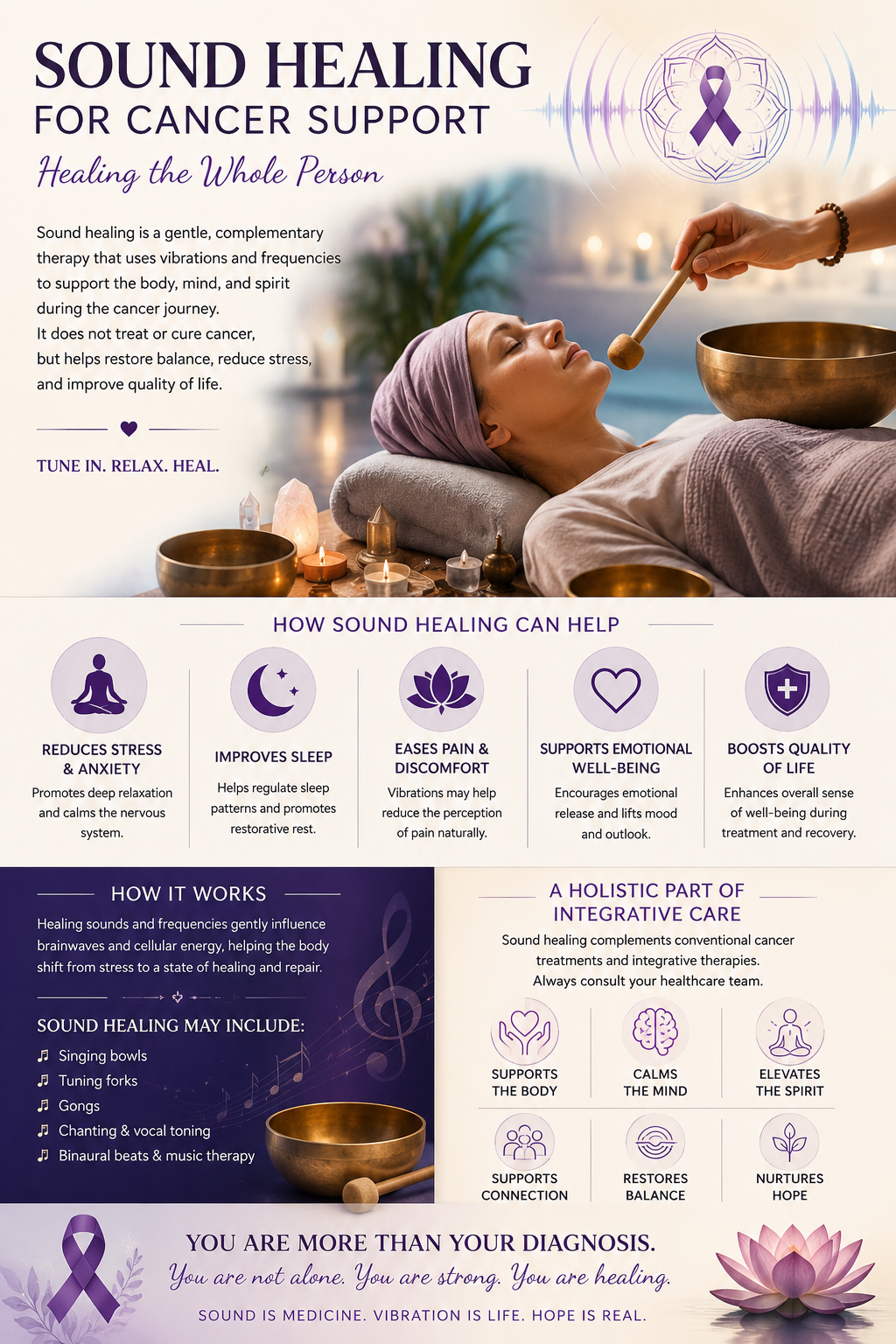
If you or a loved one is navigating cancer treatment, you know that chemotherapy and radiation bring their own challenges: nausea, pain, anxiety, fatigue, and the emotional weight of uncertainty.
While medical treatment is essential, sound healing and vibroacoustic therapy offer a gentle, complementary approach to managing side effects, reducing stress, and supporting your body's natural healing capacity.
At Ohmazing Art of Healing in San Diego, our founder Nader Razi created this sanctuary from his own cancer journey—understanding firsthand the need for spaces that offer rest, relief, and reconnection during treatment.
Important Note: Sound healing is a complementary therapy that supports conventional cancer treatment. It does not replace chemotherapy, radiation, or medical care. Always consult your oncologist before adding new therapies to your treatment plan.
How Sound Healing Supports Cancer Patients
Sound healing doesn't claim to cure cancer. What it does offer is profound support for your mind, body, and spirit during one of life's most challenging experiences.
1. Reduces Chemotherapy-Related Nausea
Nausea is one of the most common and distressing side effects of chemotherapy. Research shows that sound therapy—particularly low-frequency vibrations—can help by:
- Activating the vagus nerve, which regulates digestion and nausea
- Shifting the nervous system from stress (sympathetic) to rest (parasympathetic)
- Creating distraction and deep relaxation, reducing anticipatory nausea
A 2018 study in Supportive Care in Cancer found that music therapy significantly reduced nausea and vomiting in cancer patients undergoing chemotherapy.
2. Alleviates Pain and Physical Discomfort
Cancer-related pain—whether from the disease itself, surgery, or treatment—affects over 50% of patients. Vibroacoustic therapy has been shown to:
- Reduce pain perception by 30-40% in studies
- Stimulate endorphin release (the body's natural painkillers)
- Decrease inflammation at the cellular level
- Relax tense muscles and ease nerve pain
Unlike medications, sound therapy has no side effects and can be used as often as needed.
3. Reduces Anxiety and Emotional Distress
A cancer diagnosis brings fear, uncertainty, and grief. Sound healing provides a safe space to process these emotions. Research demonstrates:
- Lower cortisol levels (stress hormone) after sound sessions
- Decreased anxiety scores in multiple clinical trials
- Improved mood and sense of well-being
- Better emotional regulation and resilience
Many patients describe sound healing as the first time they've felt truly relaxed since their diagnosis.
4. Improves Sleep Quality
Insomnia affects up to 60% of cancer patients, often due to pain, anxiety, steroids, or hospital schedules. Sound therapy:
- Increases delta wave activity (deep sleep brainwaves)
- Calms the mind and nervous system
- Reduces pain that interrupts sleep
- Creates restful states that improve sleep even days after a session
Better sleep means better healing—your immune system does its deepest repair work during sleep.
5. Supports Immune Function
Chronic stress suppresses immune function, which is especially concerning during cancer treatment. Sound healing:
- Activates the parasympathetic nervous system (healing mode)
- Reduces cortisol, which impairs immune cells
- May stimulate lymphatic drainage and circulation
- Creates conditions for optimal cellular repair
While more research is needed, preliminary studies suggest that vibrational therapy may enhance white blood cell activity.
6. Manages Peripheral Neuropathy
Tingling, numbness, and pain in hands and feet (peripheral neuropathy) is a common side effect of certain chemotherapy drugs. Vibroacoustic therapy has shown promise by:
- Improving circulation to affected areas
- Stimulating nerve regeneration
- Reducing pain and hypersensitivity
7. Provides Emotional and Spiritual Comfort
Beyond physical symptoms, cancer challenges your sense of identity, purpose, and meaning. Sound healing offers:
- A space to simply be without fixing, fighting, or performing
- Connection to something larger than the illness
- Permission to grieve, release, and surrender
- Moments of peace, beauty, and transcendence
As Nader Razi, our founder and a cancer survivor, often says: "Healing isn't about becoming someone new. It's about letting go of everything that was never you."
What the Research Says
Key Studies on Sound Therapy for Cancer Patients:
- Memorial Sloan Kettering Cancer Center (2013): Music therapy reduced anxiety and pain in 60% of cancer patients
- University of Arizona (2017): Tibetan singing bowl meditation improved mood and reduced tension in cancer survivors
- European Journal of Oncology Nursing (2016): Sound therapy sessions decreased chemotherapy-related anxiety by 42%
- Pain Management Nursing (2015): Vibroacoustic therapy reduced pain scores in palliative care patients
What to Expect: Sound Healing During Cancer Treatment
At Ohmazing Art of Healing, we understand that cancer patients have unique needs. Your session might include:
Vibroacoustic Bed Sessions (60-90 minutes)
- Lie fully clothed on our custom sound bed
- Frequencies chosen for pain relief, nausea reduction, or deep rest
- Option for silence if sound feels overwhelming
- Blankets, pillows, and temperature control for comfort
Gentle Sound Baths (45-60 minutes)
- Crystal and Tibetan bowls played in a group or private setting
- Lie down or sit comfortably
- No participation required—just receive
Flexible Scheduling
We understand that energy levels fluctuate during treatment. We offer:
- Flexible rescheduling without penalty
- Sessions timed around your treatment schedule
- Shorter sessions if you fatigue easily
- Private sessions for maximum rest and safety
When to Use Sound Healing During Treatment
Best times for sound healing sessions:
- Before chemotherapy: Reduce anticipatory anxiety and nausea
- After chemotherapy: Support recovery, reduce side effects (wait 24-48 hours post-treatment)
- Between treatment cycles: Restore energy and resilience
- During radiation: Manage stress and support skin healing
- Post-treatment: Process emotions and reclaim your sense of self
Safety Considerations
Sound healing is generally safe during cancer treatment, but please inform us if you have:
- A pacemaker or implanted medical device (vibroacoustic bed not recommended)
- Active blood clots or thrombosis
- Severe nausea (we can adjust frequencies or use gentle sound bowls instead)
- Hearing sensitivity or tinnitus
Always get clearance from your oncologist before starting any complementary therapy.
Stories from Our Sanctuary
While we protect client privacy, we've witnessed profound moments:
- A breast cancer patient sleeping through the night for the first time in months after a vibroacoustic session
- A man undergoing chemotherapy finding relief from neuropathy pain
- A woman releasing years of held grief during a sound bath, feeling lighter and more hopeful
- Families finding peace together in our group sessions
Sound healing won't cure cancer. But it can offer something equally important: comfort, relief, and moments of peace in the midst of chaos.
Resources for Cancer Patients in San Diego
Ohmazing Art of Healing partners with local oncology centers and support groups. We offer:
- Discounted sessions for cancer patients (inquire when booking)
- Caregiver sessions because you need support too
- Private sessions for those with compromised immunity
- Gift certificates if you'd like to refer a loved one
Located in Grantville, San Diego, we're a short drive from UCSD Moores Cancer Center, Sharp HealthCare, and Scripps facilities.
Book a Healing SessionAbout Our Founder: Nader Razi, an aerospace engineer and cancer survivor, created Ohmazing Art of Healing after his own journey showed him the healing power of sound, community, and stillness. This sanctuary exists to offer what he needed most: a place to rest, release, and remember who you are beyond the illness.
Medical Disclaimer: This content is for informational purposes only and does not constitute medical advice. Sound healing complements but does not replace cancer treatment. Consult your healthcare provider before beginning any new therapy.
References:
• Bradt J, et al. (2016). Music interventions for improving psychological and physical outcomes in cancer patients. Cochrane Database Syst Rev.
• Krishnaswamy P, Nair S. (2016). Effect of Music Therapy on Pain and Anxiety Levels of Cancer Patients. Asia Pac J Oncol Nurs.
• Gramaglia C, et al. (2019). Benefits of Music Therapy in Oncology and Palliative Care. J Clin Oncol.